

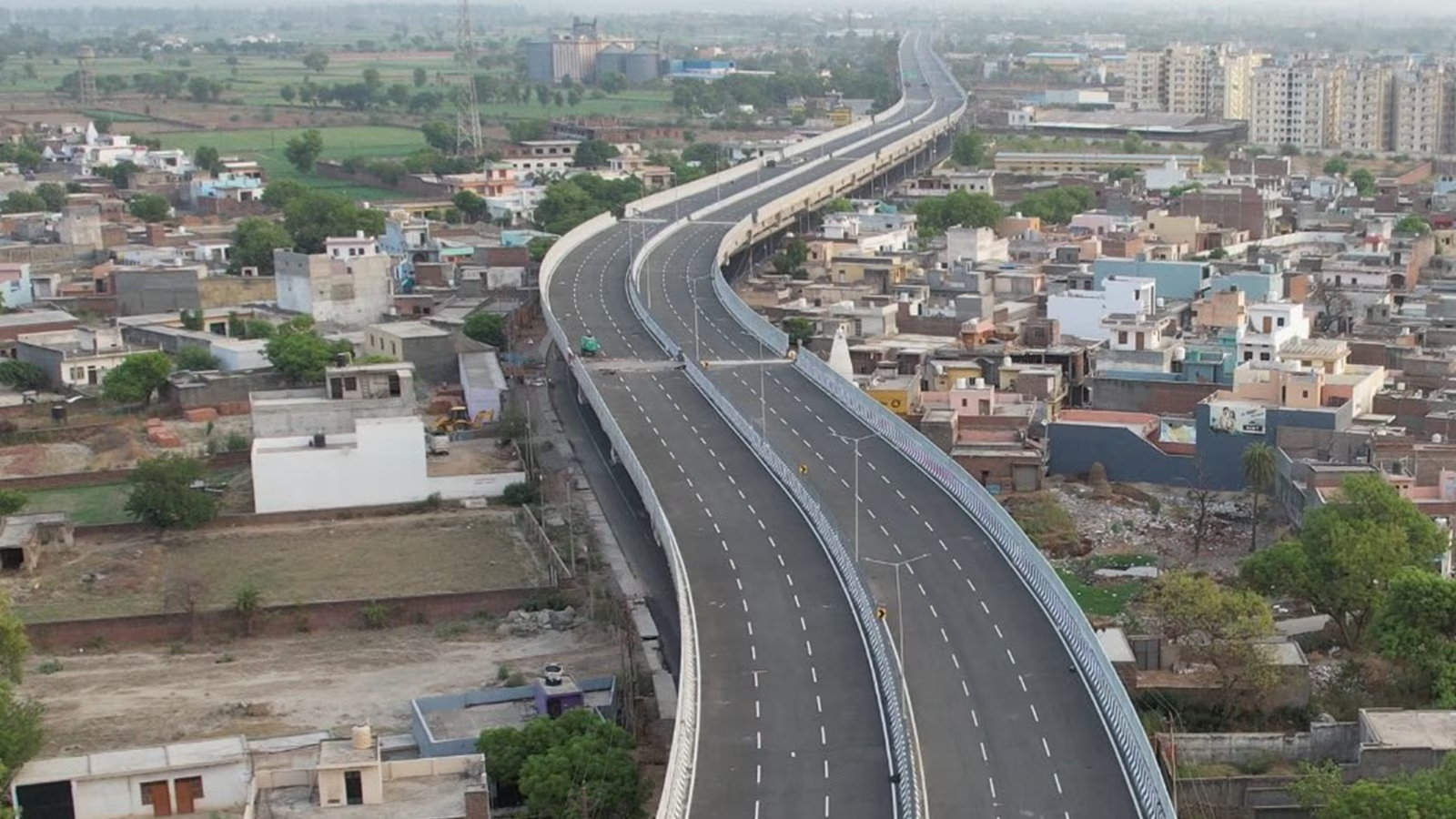
Prime Minister Narendra Modi on Monday inaugurated the Delhi-Dehradun Economic Corridor, a major infrastructure project aimed at significantly improving connectivity between the national capital and Uttarakhand.
Developed by the National Highways Authority of India, the 213-kilometre, six-lane access-controlled expressway has been constructed at a cost exceeding ₹12,000 crore. The project is expected to reduce travel time between Delhi and Dehradun from over six hours to approximately two-and-a-half hours.
The expressway begins near Akshardham in Delhi and passes through key districts in Uttar Pradesh, including Baghpat, Muzaffarnagar, Shamli and Saharanpur, before entering Uttarakhand.
A key highlight of the corridor is a 12-kilometre elevated wildlife passage near Rajaji National Park, designed to ensure safe movement of animals. The structure, supported by widely spaced pillars, includes features such as dedicated underpasses, sound barriers and controlled lighting to minimise ecological disruption.
Ahead of the inauguration, the Prime Minister reviewed the wildlife corridor and offered prayers at the Maa Daat Kali Temple near Dehradun. The project has been described as a blend of greenfield and brownfield development, executed in multiple phases to optimise efficiency and connectivity.
The corridor includes 113 vehicular underpasses, 62 bus shelters, about 76 kilometres of service roads, and several entry and exit points. It is also equipped with an advanced traffic management system to ensure smoother and safer travel.
Officials said the expressway will enhance connectivity to major religious and tourist destinations such as Haridwar, Mussoorie and the Char Dham route, while also boosting regional economic activity and trade.
The project is expected to play a crucial role in strengthening infrastructure and supporting economic growth across northern India.


