

What is the Delimitation Bill, 2026?
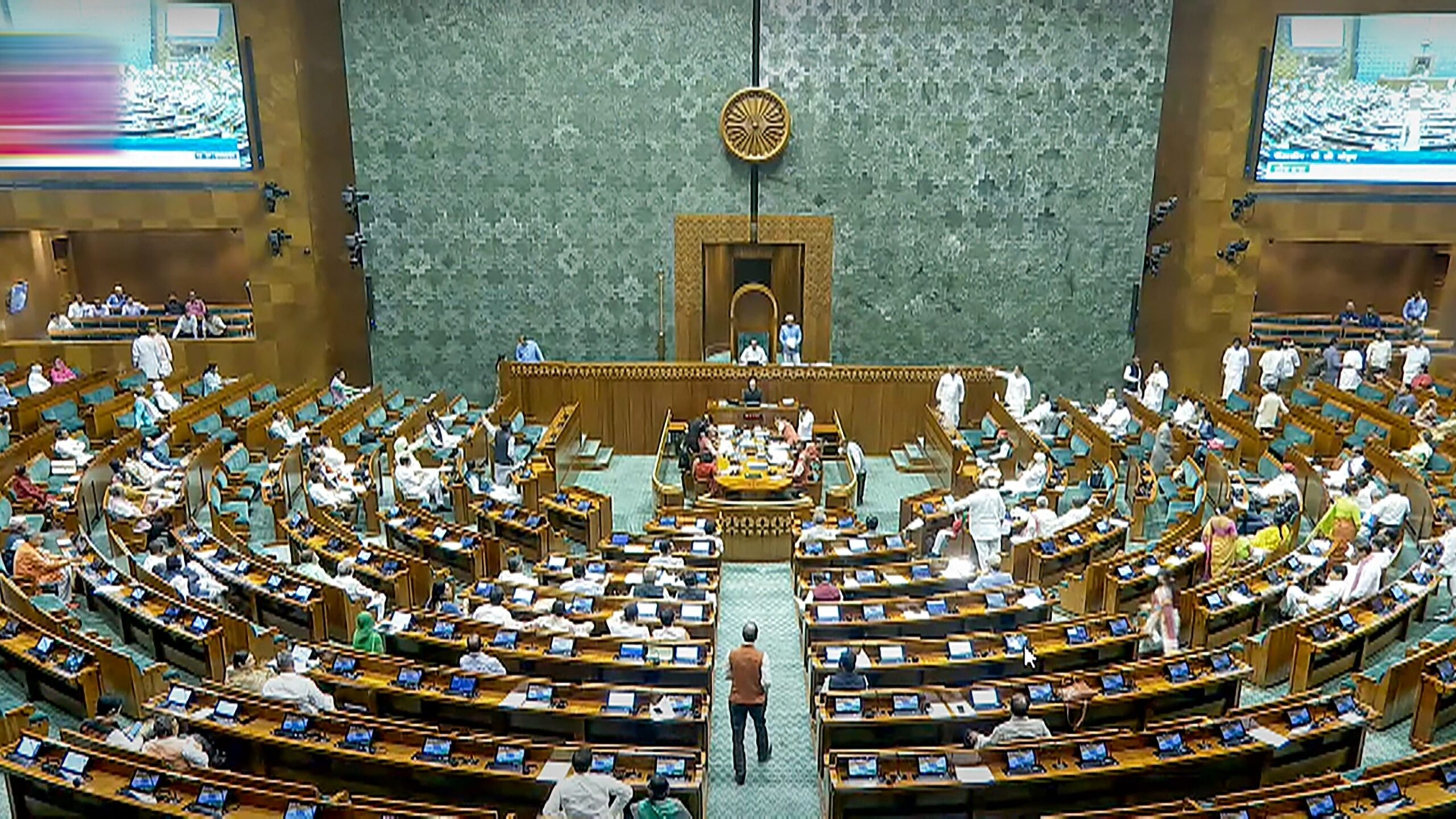
The Delimitation Bill, 2026 is a landmark piece of legislation that would completely redraw India’s electoral boundaries and dramatically expand the size of Parliament — ending a freeze that has been in place since 1976.
For nearly fifty years, the number of Lok Sabha seats has been locked at 543. The original rationale was straightforward: states that worked hard to control population growth should not be punished by losing political representation. So Parliament froze the seat count, first through a constitutional amendment in 1976 and then extended that freeze again in 2001.
The 2026 Bill officially lifts that freeze.
The Commission: Who Will Redraw the Map?
At the heart of the bill is an independent Delimitation Commission — a powerful constitutional body tasked with physically redrawing every Lok Sabha and State Assembly constituency in the country.
The Commission will be chaired by a sitting Supreme Court Judge and will include the Chief Election Commissioner (CEC) and the respective State Election Commissioners (SECs). This structure is designed to insulate the process from direct political interference.
Critically, once the Commission finalises its draft boundaries, hears public objections, and issues its final orders, those orders will carry the force of law and cannot be challenged in any court. The legal term for this is non-justiciable — meaning no petition, no PIL, and no writ can overturn the lines it draws.
How Many Seats Will India’s Parliament Have?
This is where the numbers become historic.
The Lok Sabha is set to expand from 543 seats to 850 seats — an increase of over 56 percent. Of the 850, 815 seats will be allocated to states and the remaining 35 will go to Union Territories.
What Data Will Be Used?
One of the more politically contentious questions surrounding delimitation has been: which census? India has not conducted a fresh census since 2011, and the 2021 census was delayed by the COVID-19 pandemic and has still not been completed.
The bill resolves this by empowering Parliament to determine which census the Commission uses — and all current indications point to the 2011 Census being the chosen data source.
This decision has significant implications. Southern states — Tamil Nadu, Kerala, Karnataka, Andhra Pradesh, and Telangana — have consistently achieved far better population control than northern states like Uttar Pradesh and Bihar. Using 2011 data means seats will be reapportioned in a way that shifts parliamentary weight northward, which has been a major source of political anxiety in the South.
What Protections Exist for Northeastern States?
The bill includes explicit tribal safeguards. The number of Scheduled Tribe (ST) reserved seats in Northeastern states, such as Arunachal Pradesh, Manipur, and Nagaland, will not be diluted as a result of the boundary redrawing. This protection was inserted in direct response to concerns raised by political leaders and civil society groups from the region.
What is the Women’s Reservation (Nari Shakti Vandan Adhiniyam)?
The women’s reservation piece of this legislative package has a longer backstory.
Parliament had actually already passed the Nari Shakti Vandan Adhiniyam — the Women’s Reservation Act — in September 2023, with overwhelming cross-party support. But there was a catch embedded directly in the law: the 33% reservation for women could only come into force after the next delimitation exercise was completed.
In other words, Parliament passed the law but deliberately tied its activation to a future event. The 2026 Delimitation Bill is that event. By triggering the delimitation process, the bill effectively operationalises women’s reservation for the first time.
33% — What Does That Actually Mean in Numbers?
The reservation legally carves out one-third of all seats in the Lok Sabha, all State Assemblies, and the Delhi Assembly for women candidates.
In a newly expanded 850-seat Lok Sabha, this translates to roughly 273 seats reserved for women — a figure that, if achieved, would make India’s lower house one of the more gender-balanced parliaments in the world by reserved-seat share.
When Will It Actually Come Into Effect?
Not immediately, and this is a source of frustration for many advocates.
Because the delimitation process itself — mapping and redrawing 850 constituencies from scratch — will take considerable time, the women’s reservation is currently slated to take effect for the national elections after 2029. The next Lok Sabha election (due in 2029) may or may not see the reservation in force, depending on how quickly the Commission completes its work.
SC/ST Sub-Reservation and the OBC Gap
The 33% quota is not a flat reservation. Within seats already reserved for Scheduled Castes (SC) and Scheduled Tribes (ST), a sub-quota will exist to ensure women from these communities are also proportionally represented.
However, the law currently does not include a separate sub-quota for Other Backward Classes (OBC) women. This omission has become one of the single biggest flashpoints of opposition criticism, with parties like the Samajwadi Party and RJD arguing that the reservation is structurally incomplete without OBC inclusion.
Rotation and the Sunset Clause
Two technical features of the reservation are worth understanding:
Rotation: The reserved seats will not be permanently fixed to the same constituencies. They will be rotated across different constituencies in successive electoral cycles. This means a seat reserved for women in one election may become a general seat in the next, and a different constituency will become reserved. The purpose is to prevent permanent “feminisation” of any single constituency, which critics argue could reduce competition.
Sunset Clause: The reservation is not permanent. It will initially be in place for 15 years, after which Parliament must actively vote to extend it. Supporters argue this is a pragmatic starting point; critics worry it creates built-in political uncertainty about the quota’s long-term survival.
Why Does This Matter — Especially for Northeast India?
For states like Assam, the dual package of delimitation and women’s reservation carries specific significance.
Assam’s current 14 Lok Sabha seats and 126 Assembly seats are set to be redrawn under the new Commission. The state has a complex demographic picture — with significant ST populations, a contested border history, and ongoing discussions about the National Register of Citizens (NRC) — meaning the boundary redrawing process could be politically sensitive at multiple levels.
The tribal seat protections in the bill are directly relevant to Arunachal Pradesh and other Northeast states where ST communities form electoral majorities. Advocates from the region will be watching closely to ensure the Commission’s final orders honour those protections in letter and spirit.
On women’s reservation, Northeast India has historically had relatively strong female political participation at the grassroots panchayat level but weak representation in state assemblies and Parliament. The 33% reservation, once activated, could meaningfully change that picture.
Key Numbers at a Glance
| Before | After | |
|---|---|---|
| Lok Sabha Seats | 543 | 850 |
| Seats for States | 530 | 815 |
| Seats for UTs | 13 | 35 |
| Women’s Reserved Seats (Lok Sabha) | 0 (by law) | ~273 |
| Seat Freeze Duration | ~50 years | Lifted |
What Happens Next?
Once the bill is passed and the Commission is constituted, it will begin the process of drawing new maps using the 2011 Census data. It will then publish draft constituency boundaries, hold public hearings to take objections, and finalise its orders.
The entire delimitation exercise is expected to take at least two to three years. Only after the new boundaries are finalised can the women’s reservation be formally notified and take effect.
The broader political battle — particularly over OBC sub-quotas and the north-south seat balance — is far from over. But the legal and constitutional architecture for the most significant restructuring of Indian democracy in a generation is now formally in motion.


