
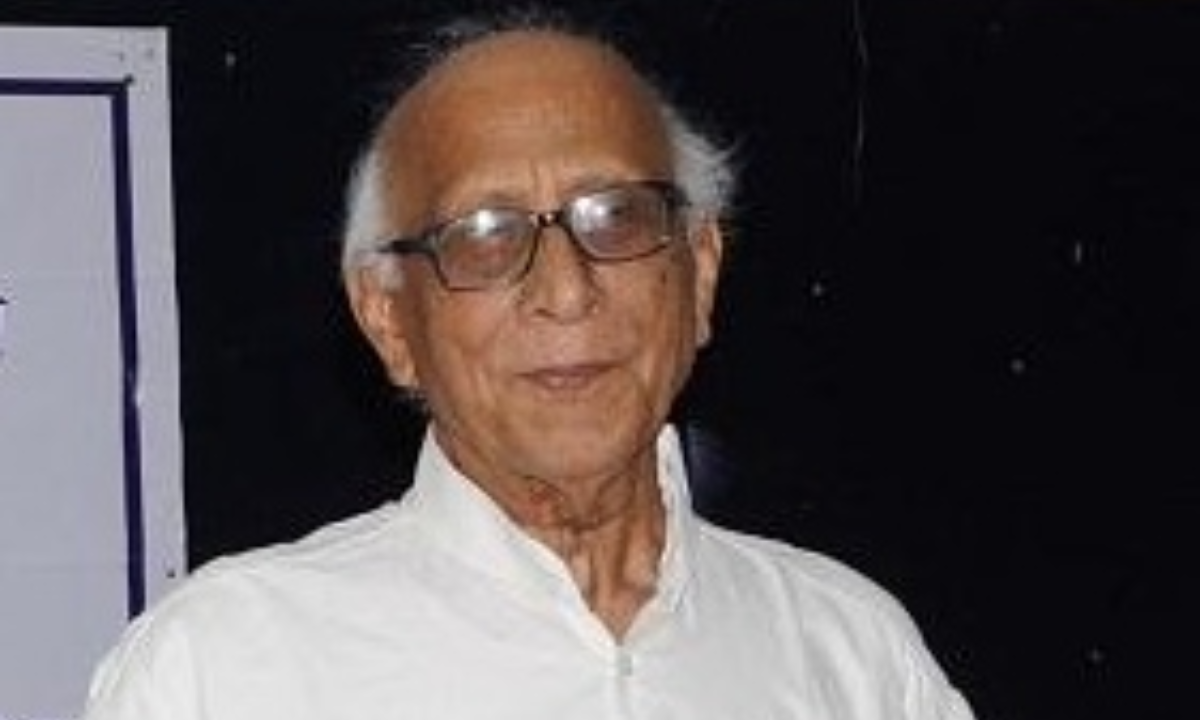
Former Union Minister Bedabrata Barua passed away on Tuesday at the age of 98, marking the end of a long and distinguished career in public life. Born on July 14, 1928, Baruah was a prominent leader of the Indian National Congress and represented Assam in national politics for several decades.
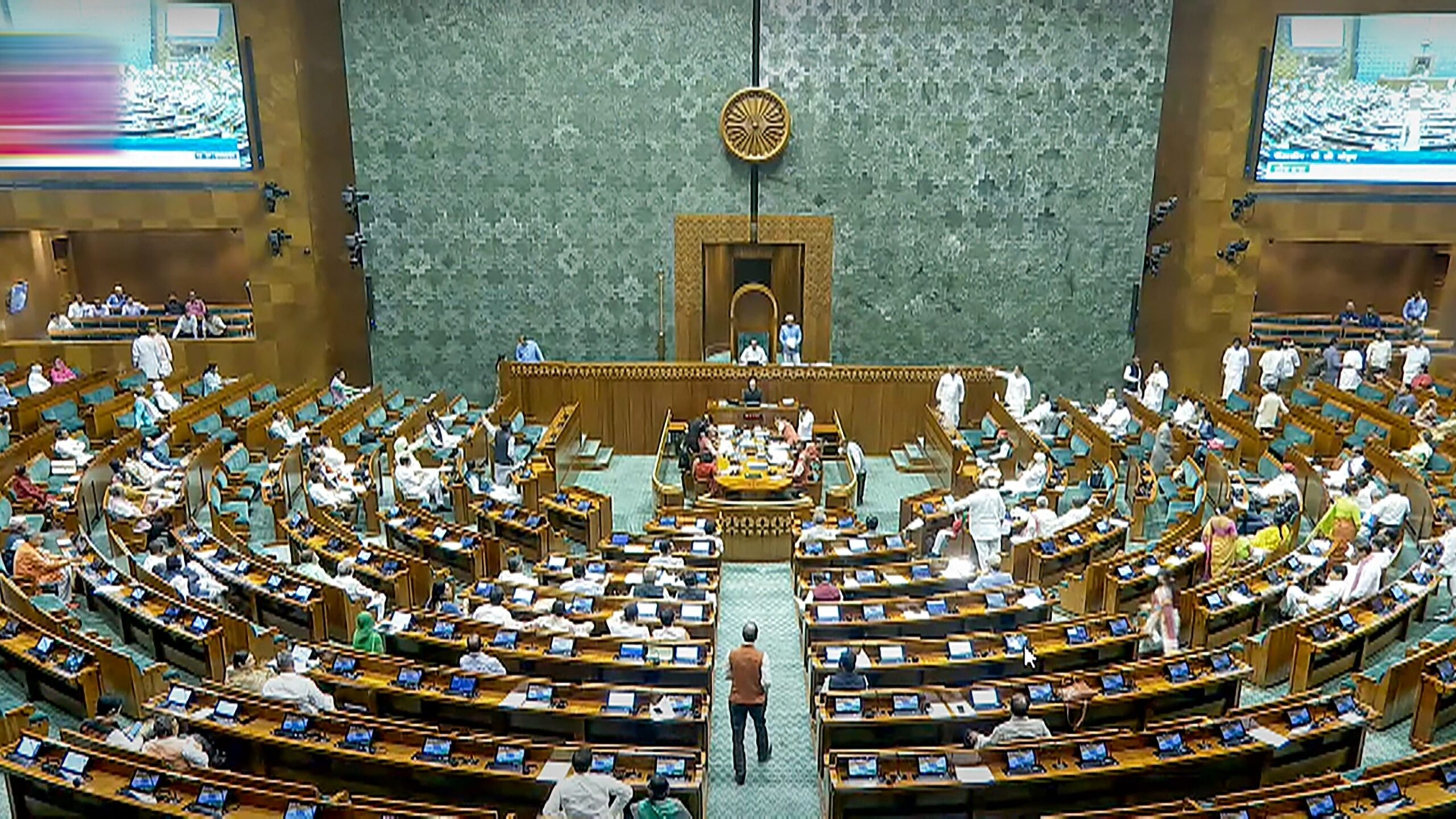
Baruah served as the Minister of State for Law and Justice in the Government of India during the tenure of former Prime Minister Indira Gandhi. He was elected multiple times from the Kaliabar Lok Sabha constituency and remained an influential voice in Parliament.
Hailing from the undivided Sivasagar district of Assam, Baruah had a multifaceted career that extended beyond politics. Before entering public life, he worked in academia and served as the Vice-Principal of Golaghat DR College. He also headed the Department of Political Science earlier in his career.
In addition to his political and academic contributions, Baruah was associated with the legal profession and practiced at the Supreme Court of India. He was known for his views on Assam’s socio-political development and had often emphasised the need for collective responsibility among the people of the state.
Baruah was also engaged in literary pursuits, contributing articles to newspapers and magazines on various subjects. His notable work, Mat Abhimat, reflected his intellectual depth and engagement with public discourse. The book was launched by noted editor Kankasen Deka, who described him as an ethical and non-controversial personality.
He completed his higher education at Cotton College, followed by studies at Presidency College, Calcutta, and the University of Calcutta, where he earned degrees in arts and law.
Baruah began his political journey with the Praja Socialist Party and later served as a member of the Golaghat Municipal Council. Over the years, he established himself as a seasoned parliamentarian and also led a goodwill parliamentary delegation of the Government of India to East Africa.
His passing marks the loss of a veteran leader whose contributions spanned politics, law, education, and literature.