
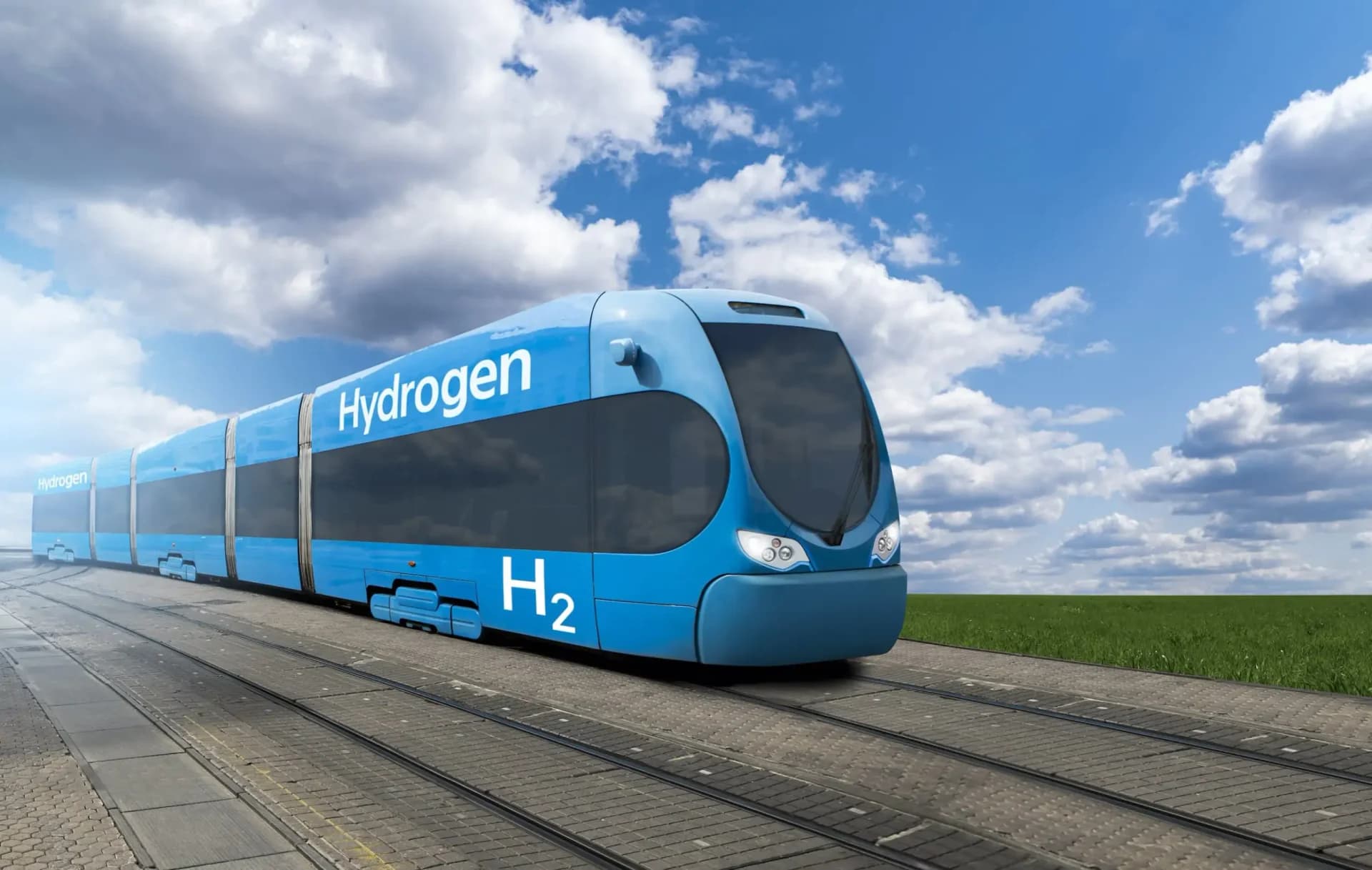
Indian Railways has approved the operation of India’s first indigenous hydrogen fuel-cell-based train on the Jind-Sonipat section of the Northern Railway, marking a significant step in the country’s efforts to adopt cleaner transportation technologies. With this development, India joins a select group of nations, including Germany, Japan, China and the United States, that are exploring hydrogen-powered rail transport.
The upcoming train will consist of 10 coaches and will be powered by a 1200-kilowatt engine. According to the approved plan, the train is expected to run at a maximum speed of 75 kilometres per hour. The hydrogen fuel-cell technology used in the train generates electricity through a chemical reaction involving hydrogen, with water vapour being the only byproduct. This makes it an environmentally friendly alternative to conventional diesel-powered rail systems.
The Ministry of Railways stated that an indigenous hydrogen storage and refuelling facility has been established at Jind in Haryana to support the operation of the train. The Petroleum and Explosives Safety Organisation (PESO) has granted the required licence for the storage and dispensing of compressed hydrogen gas at the facility.
To ensure smooth maintenance and operational safety, a dedicated maintenance facility has also been proposed at Shakurbasti in Delhi. Necessary safety measures, periodic audits and standard operating procedures are being put in place for the project.
The initiative comes at a time when countries across the world are actively exploring hydrogen as a clean fuel option for rail transportation. The project aligns with India’s broader green mobility and climate objectives and supports the goals of the National Green Hydrogen Mission.
By introducing hydrogen-powered trains, Indian Railways aims to reduce dependence on fossil fuels, lower carbon emissions and promote the adoption of clean energy technologies. The move is also expected to contribute to India’s long-term objective of achieving net-zero emissions by 2070 while strengthening the country’s position in the emerging green hydrogen ecosystem.