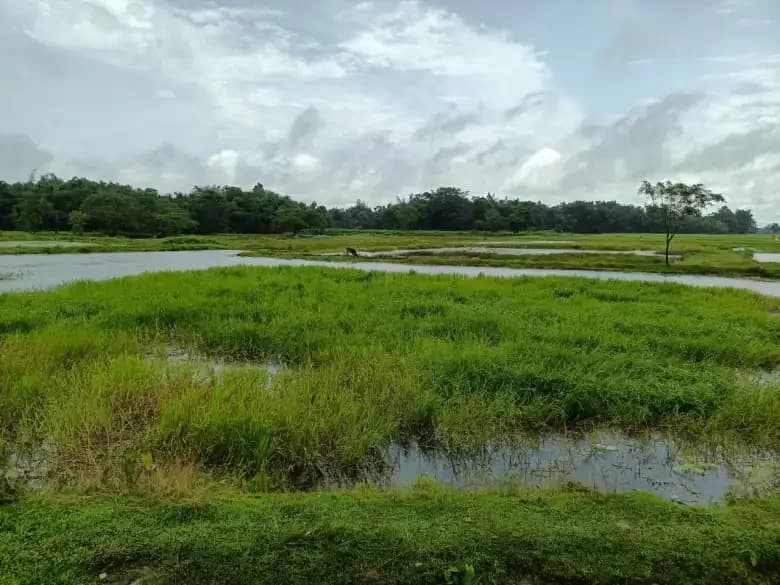
The Borjuli wetland in Assam's Sonitpur district has been officially notified as a Biodiversity Heritage Site (BHS), marking a significant milestone in the conservation of India's wild rice genetic resources.
The wetland is home to Oryza rufipogon, the wild ancestor of cultivated rice (Oryza sativa). The species is naturally resistant to several pests and diseases and is capable of surviving floods and saline conditions, making it an important genetic resource for developing climate-resilient rice varieties.
The recognition follows the implementation of the project titled "In-situ Conservation and Management of Wild Rice (Oryza rufipogon) in Sonitpur District of Assam," which has been underway since 2022.
The project is funded by the National Rainfed Area Authority (NRAA) under the Ministry of Agriculture and Farmers Welfare and is being implemented by the ICAR–National Bureau of Plant Genetic Resources (ICAR-NBPGR), New Delhi, in collaboration with the Assam State Biodiversity Board.
According to the Ministry of Agriculture and Farmers Welfare, the declaration of Borjuli as a Biodiversity Heritage Site by the National Biodiversity Authority will strengthen the conservation of India's wild rice diversity while supporting research and the development of climate-resilient agricultural practices.
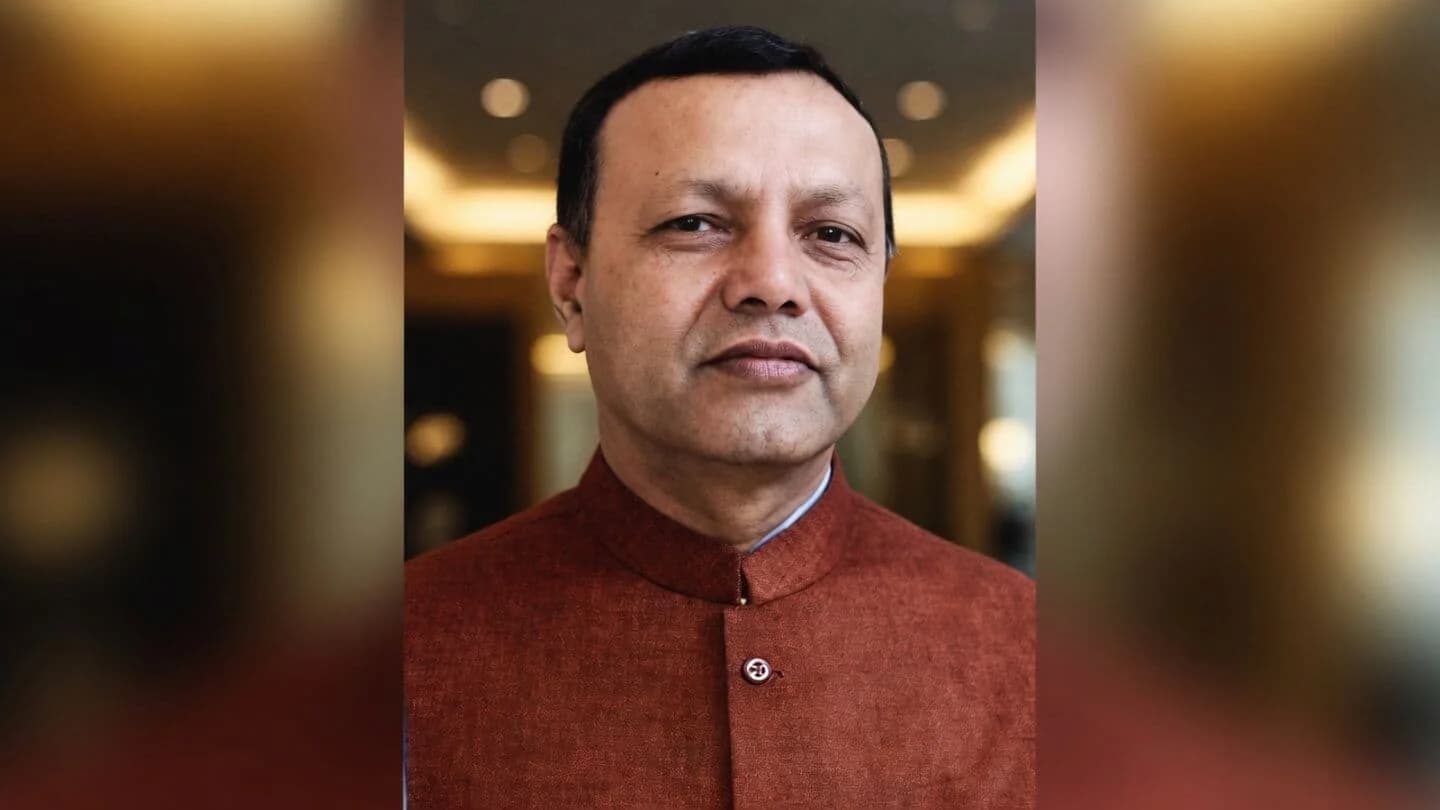
NRAA Chief Executive Officer Chandra Shekhar Kumar said wild rice species are invaluable sources of genes that can be used to develop high-yielding, climate-resilient and nutritionally superior rice varieties.
He also emphasised the need to replicate similar conservation initiatives for other crop wild relatives across the country to improve the resilience and sustainability of Indian agriculture and strengthen long-term food security.