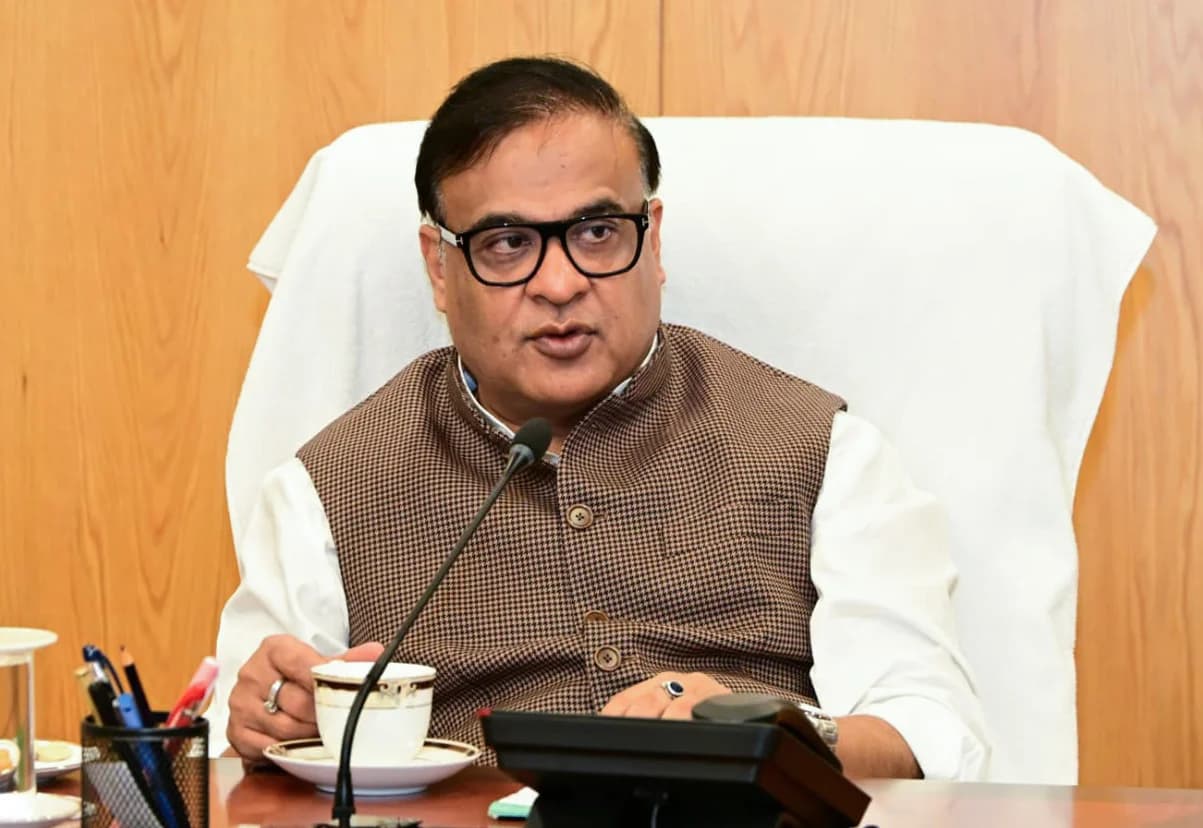
Assam Chief Minister Himanta Biswa Sarma on Thursday said that 17.6 per cent of households in the state that have installed rooftop solar panels under the Centre's PM Surya Ghar-Muft Bijli Yojana are now paying zero electricity bills, highlighting the growing impact of the flagship renewable energy programme.
In a post on social media platform X, Sarma said the scheme has brought significant financial relief to thousands of households while accelerating Assam's transition towards clean and sustainable energy.
"Seventeen-point-six per cent of Assam's solar households have paid zero electricity bills. This is the transformation which PM Surya Ghar has brought about in Assam, which stands among the top five states in the country in implementing the scheme," the Chief Minister said.
According to Sarma, the initiative is helping households generate electricity through rooftop solar installations, resulting in lower monthly electricity expenses while strengthening energy security across the state. He noted that a substantial number of beneficiaries are now receiving electricity bills with no payable amount under the scheme.
The Assam government has been actively promoting rooftop solar adoption in collaboration with the Centre by encouraging eligible households to install solar panels and avail of the financial assistance provided under the PM Surya Ghar-Muft Bijli Yojana.
Officials said the programme is expected to reduce dependence on conventional sources of energy while supporting Assam's long-term renewable energy goals. The expansion of rooftop solar installations is also contributing to cleaner energy generation and greater affordability for consumers.
The Chief Minister said Assam's performance has placed the state among the top five in the country in implementing the PM Surya Ghar-Muft Bijli Yojana, reflecting the government's focus on expanding access to renewable energy solutions.
Launched by the Central government, the PM Surya Ghar-Muft Bijli Yojana provides financial assistance for residential rooftop solar installations with the objective of reducing household electricity costs, promoting clean energy adoption and increasing the country's renewable energy capacity. The scheme is also aimed at easing the financial burden on consumers while encouraging sustainable energy generation.