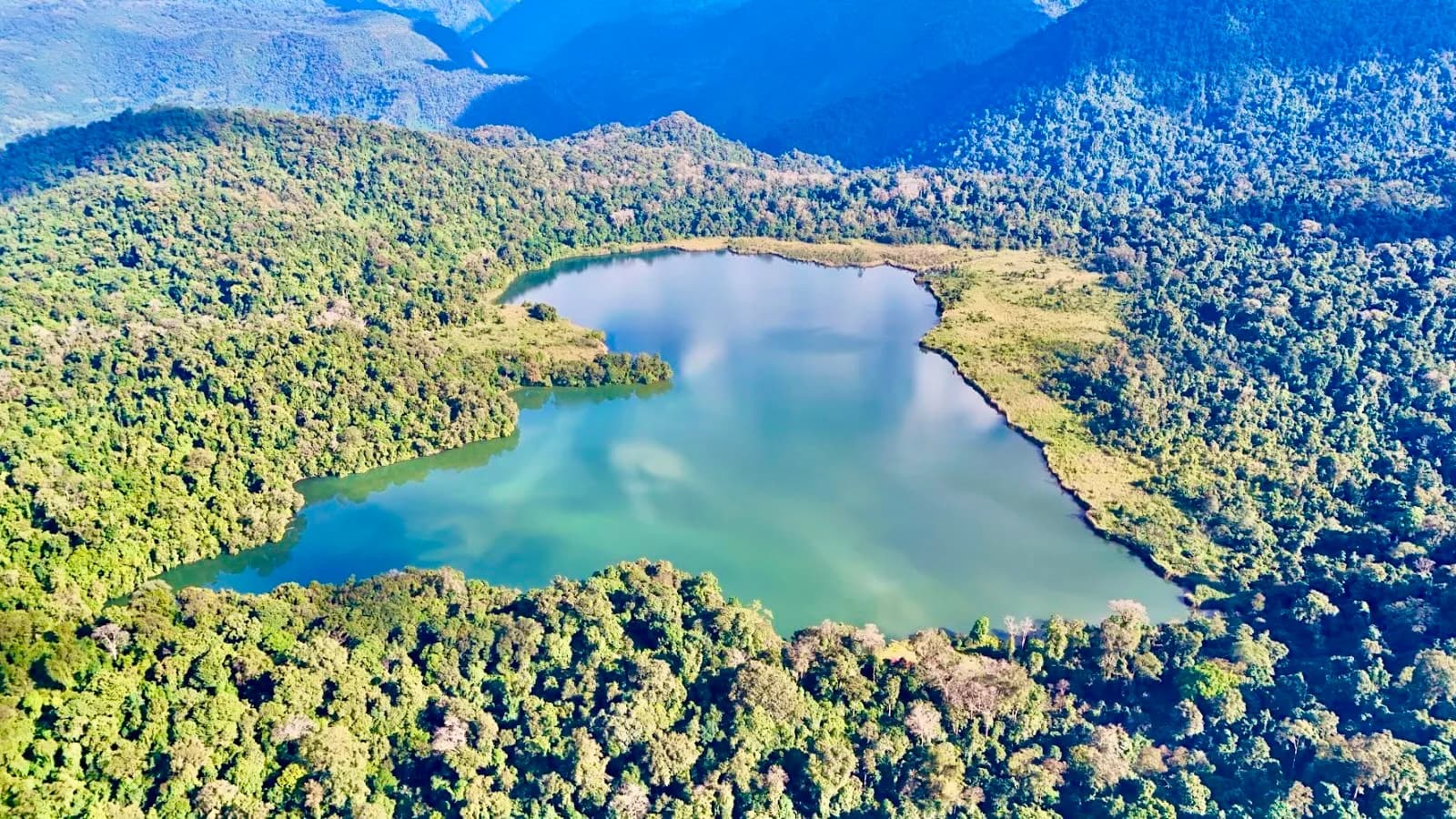
Arunachal Pradesh's Glaw Lake has been designated as India's 101st Ramsar Site, becoming the state's first wetland to receive international recognition under the Ramsar Convention.
Announcing the development, Union Environment, Forest and Climate Change Minister Bhupender Yadav described it as a significant milestone for biodiversity conservation, water and climate security, and sustainable livelihoods. In a social media post, he said the recognition further reinforces India's growing leadership in global wetland conservation.
Located in Lohit district within the Kamlang Tiger Reserve and Wildlife Sanctuary near Wakro, Glaw Lake is a pristine freshwater wetland nestled in the Eastern Himalayas. The remote lake, accessible primarily through forest trekking routes, is renowned for its rich ecological diversity and scenic landscape.
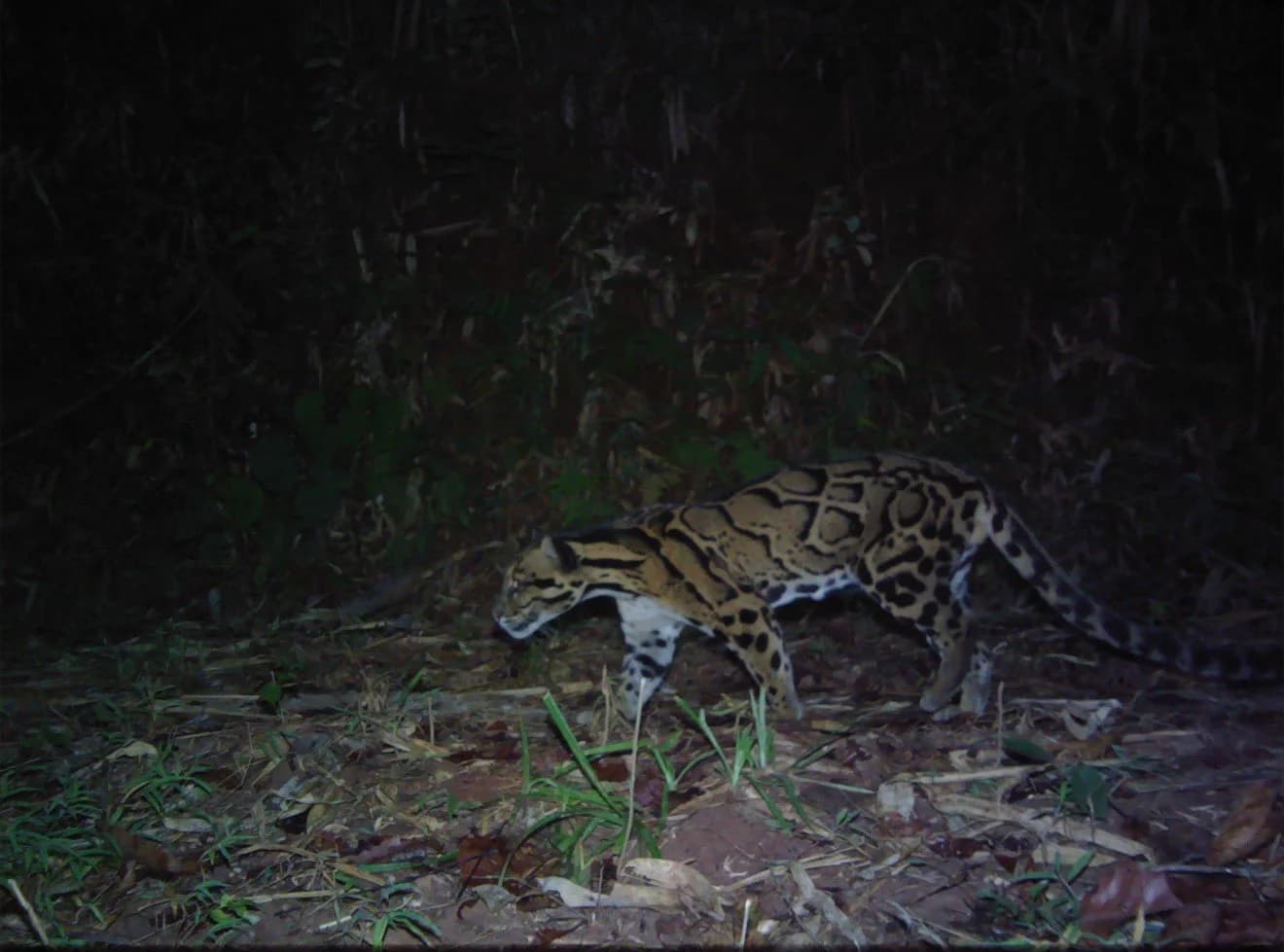
According to the Environment Minister, the wetland is surrounded by dense forests that support more than 150 species of trees and around 49 species of orchids. The lake and its surrounding habitat also sustain a wide variety of wildlife, including elephants, leopard cats, civets, deer, giant squirrels and flying squirrels.
Conservationists have also highlighted the importance of Glaw Lake as a habitat for several bird species, including the critically endangered white-bellied heron. The lake additionally holds cultural significance for the indigenous Mishmi community, which considers it a sacred site.
Calling the recognition a major achievement, Bhupender Yadav noted that India has expanded its network of Ramsar Sites from 26 in 2014 to 101 in 2026.
"Every new Ramsar Site strengthens our resolve to protect nature while securing the future of communities that depend on these invaluable ecosystems," the minister said.
What is a Ramsar Site?
A Ramsar Site is a wetland designated as a Wetland of International Importance under the Ramsar Convention, an international treaty dedicated to the conservation and sustainable use of wetlands. The designation recognises wetlands with exceptional ecological value and encourages their protection through sustainable management.
Wetlands play a crucial role in maintaining biodiversity, supporting migratory birds, conserving freshwater resources, controlling floods, recharging groundwater and sustaining the livelihoods of local communities.
Glaw Lake becomes the sixth Ramsar Site in Northeast India. The other internationally recognised wetlands in the region are Deepor Beel in Assam, Loktak Lake in Manipur, Rudrasagar in Tripura, Pala Wetland in Mizoram and Khecheopalri Wetland in Sikkim.
Across the country, several iconic wetlands enjoy Ramsar status, including Chilika Lake and Bhitarkanika in Odisha, Keoladeo National Park in Rajasthan, Wular Lake in Jammu & Kashmir, Harike Wetland in Punjab and the East Kolkata Wetlands in West Bengal.
With the addition of Glaw Lake, India now has 101 Ramsar Sites, reflecting its continued efforts to strengthen wetland conservation and safeguard ecologically important ecosystems for future generations.