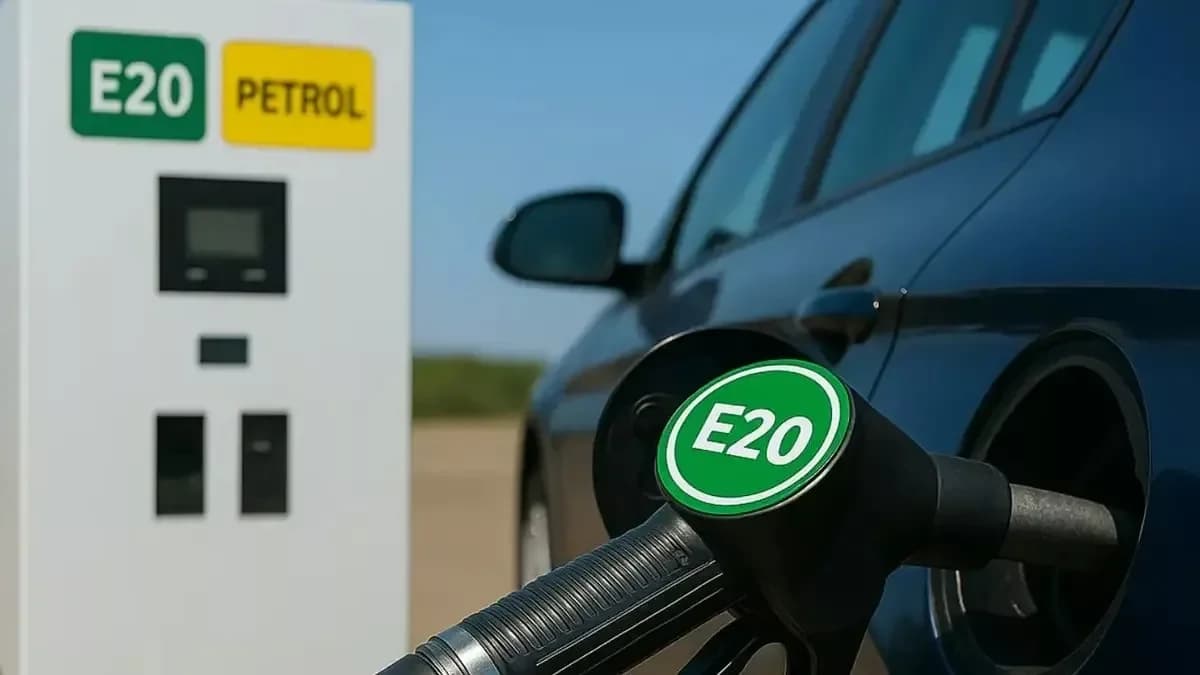
The Congress on Wednesday accused the Centre of increasing the financial burden on motorists through its E20 petrol rollout, alleging that consumers are paying more for fuel despite earlier promises that ethanol blending would make fuel more affordable.
Congress general secretary Jairam Ramesh claimed that since March 2025, regular fuel stations across the country have been supplying practically only E20 petrol. Referring to earlier statements made by Union Road Transport and Highways Minister Nitin Gadkari, Ramesh said the government had assured that ethanol blending would help bring diesel prices down to Rs 50 per litre while providing a petrol alternative at Rs 55 per litre. According to him, those assurances have not translated into lower prices for consumers.
Ramesh further alleged that motorists are incurring higher expenses because ethanol-blended fuel delivers lower mileage than conventional petrol. Citing what he described as an independent analysis, he claimed that between April 2023 and March 2026, consumers collectively spent an additional approximately Rs 88,234 crore to compensate for the reduced fuel efficiency of ethanol-blended petrol.
The Congress leader also argued that the Centre could have reduced the retail price of E20 petrol to offset the impact of lower mileage on consumers. He pointed to the NITI Aayog's Ethanol Roadmap, saying it had recommended financial and tax incentives for E10 and E20 fuels to compensate consumers for any reduction in fuel efficiency.
Instead, Ramesh alleged that the government approved subsidies exceeding Rs 4,000 crore for ethanol producers, shifting the benefits of the ethanol blending programme towards the industry rather than the public.
He further claimed that the E20 rollout has left the average middle-class vehicle owner with fewer choices while increasing fuel expenses and placing an additional financial burden on people who invested their savings in purchasing vehicles. According to Ramesh, ethanol producers have emerged as the biggest beneficiaries of the policy.
The Centre, however, has consistently maintained that the ethanol blending programme is aimed at reducing India's dependence on imported crude oil while creating additional demand for agricultural produce and supporting farmers.