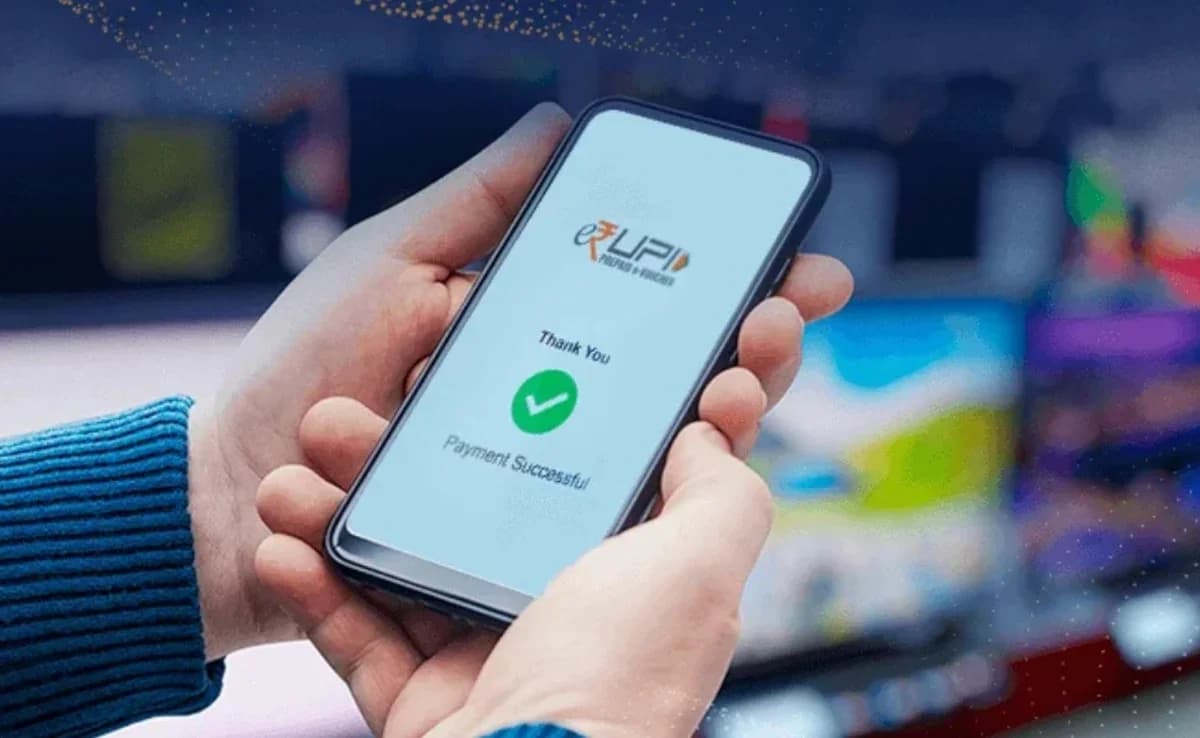
The government is considering allowing banks and payment service providers to levy a Merchant Discount Rate (MDR) of 0.25% to 0.4% on UPI transactions above ₹2,000 made to businesses. However, person-to-person (P2P) UPI transfers are expected to remain exempt from any such charges.
The proposed change follows the introduction of the Taxation and Other Laws (Amendment) Bill in Parliament by Finance Minister Nirmala Sitharaman. The Bill seeks to remove the existing legal restriction that prevents banks and payment service providers from charging MDR on notified electronic payment modes. Government officials have clarified that no decision has yet been taken on when the proposed changes would come into effect.
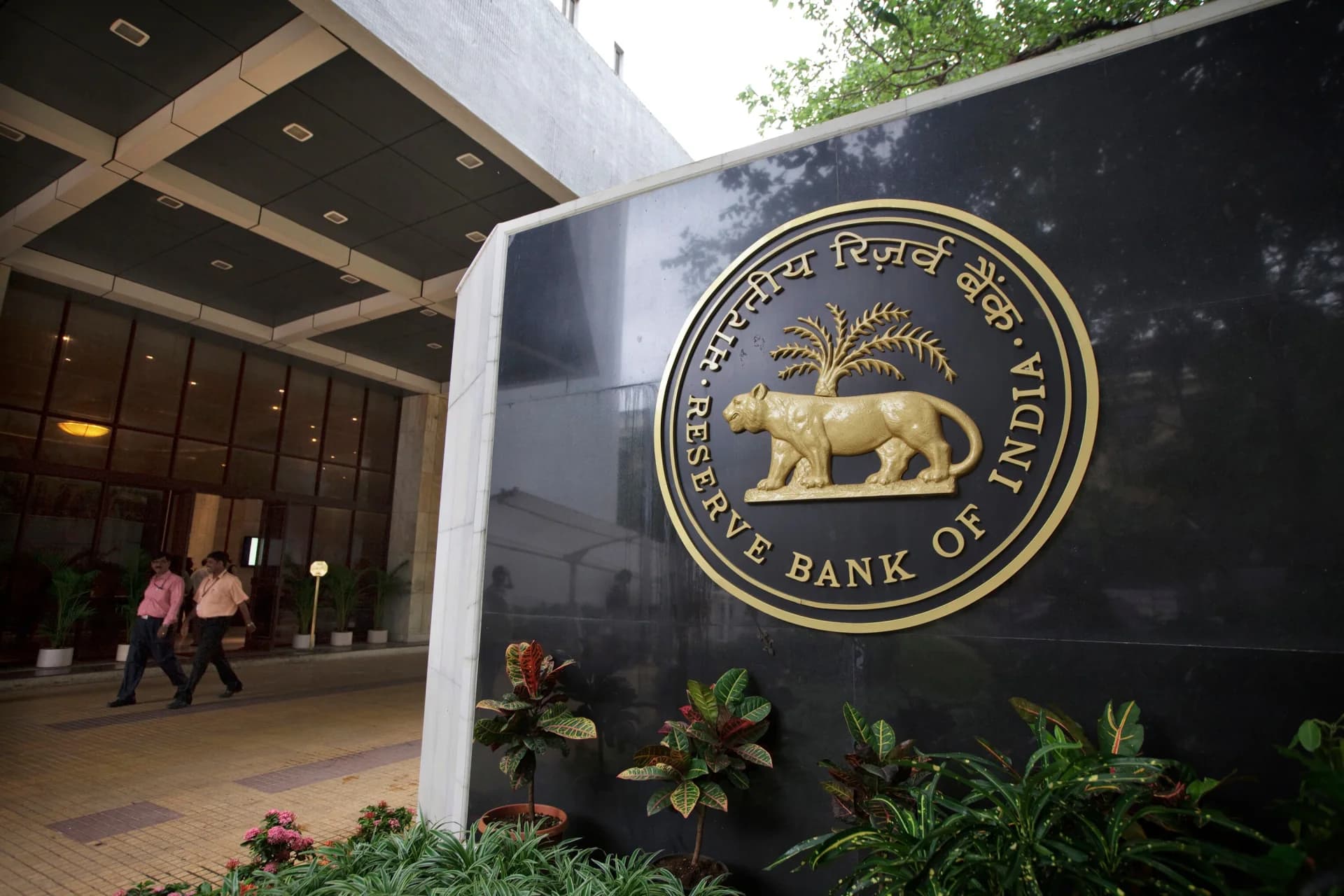
Addressing concerns over whether consumers would eventually bear the cost, RBI Governor Sanjay Malhotra said it was too early to draw conclusions.
"It is very premature to talk right now. The government is still carrying out the amendment. The costs have to be paid by someone. We all want that this public infrastructure should continue to strengthen. Let's wait and watch for further developments on this," he said after the RBI's monetary policy announcement.
When asked if end-users would have to pay the charges directly, Malhotra said that the cost of maintaining payment infrastructure is ultimately borne by the economy in one form or another.
"The cost is already getting passed on. It may not be directly on to the very user, but someone is paying the cost. What is important is that we continue to invest and find the means, whether it is MDR or other mechanisms," he added.
According to official estimates, the proposed ₹2,000 threshold would affect only around 5% of all UPI transactions, although these account for nearly 65% of the total value processed through the platform. This means routine payments for groceries, milk, vegetables, auto-rickshaws, taxis and other small purchases are unlikely to be impacted.
UPI recorded 23.7 billion transactions worth ₹29.9 lakh crore in July, highlighting its growing role in India's digital payments ecosystem.
Officials indicated that even if MDR is introduced, nearly 95% of UPI transactions would remain unaffected. They also noted that many merchants may choose to absorb the small fee rather than pass it on to customers.
Industry executives expect the government to prescribe a cap on the maximum MDR that can be charged. They argue that since UPI transactions do not involve funding costs like credit cards, a lower ceiling would be appropriate once operational costs are covered.
At present, both credit and debit card transactions attract MDR, although merchants often absorb these charges. Credit card MDR can be as high as 3%, while debit card transactions up to ₹20 lakh attract a maximum MDR of 0.4%, with higher-value transactions subject to charges of up to 0.9%.
With inputs from Times of India.